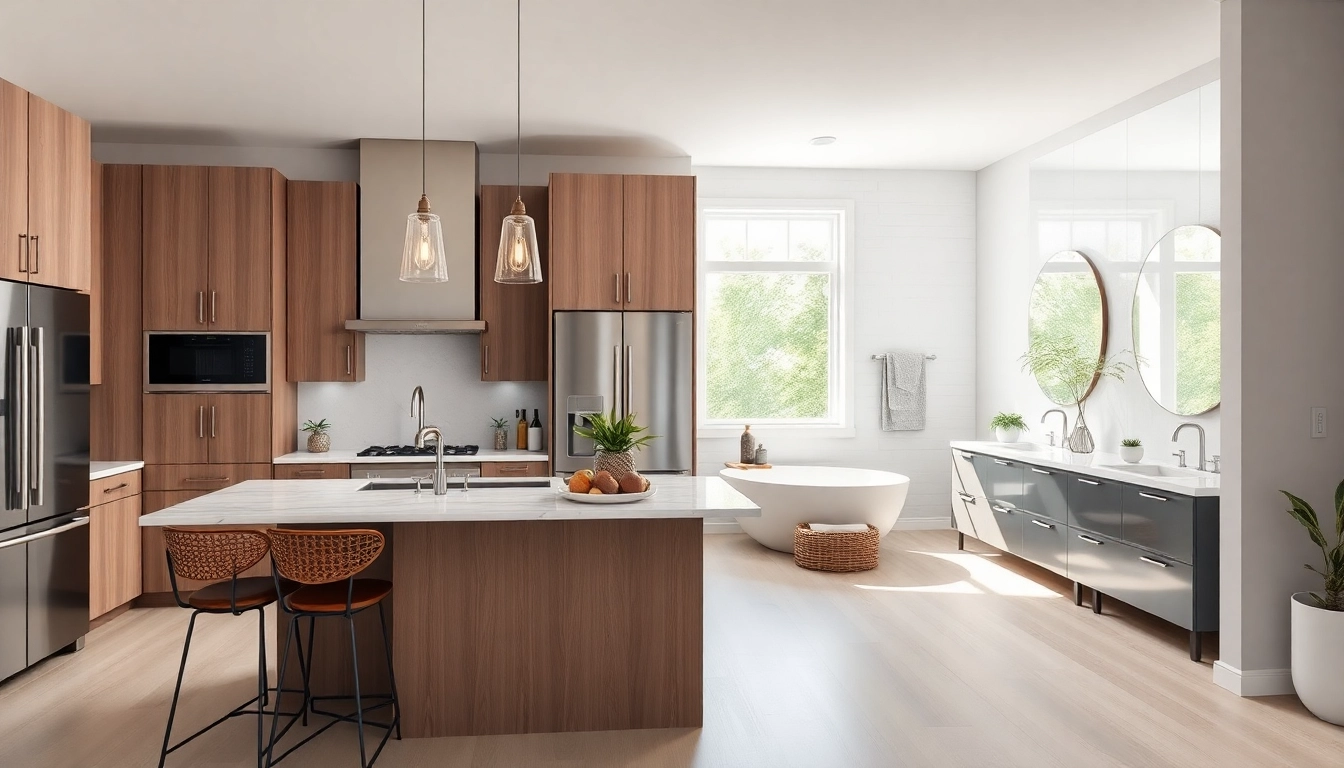
- Understanding the Importance of Kitchen and Bathroom Renovation
- Popular Trends in Kitchen and Bathroom Renovation
- Planning Your Kitchen and Bathroom Renovation Step by Step
- Overcoming Common Challenges in Kitchen and Bathroom Renovation
- Frequently Asked Questions About Kitchen and Bathroom Renovation
Understanding the Importance of Kitchen and Bathroom Renovation
Renovating your kitchen and bathroom can significantly enhance the enjoyment of your home. Not only do these spaces serve functional purposes, but they also represent personal style and comfort. A well-executed kitchen and bathroom renovation can transform your daily routines, create additional storage, and improve energy efficiency. Understanding what innovations are available can help you unlock the full potential of these vital areas in your home.
Benefits of Renovating Your Kitchen and Bathroom
The benefits of kitchen and bathroom renovation extend well beyond aesthetic improvements. These renovations enhance functionality, increase safety, and contribute to overall home efficiency. Key benefits include:
- Enhanced Functionality: Modern designs can maximize usable space and make daily activities more efficient.
- Increased Comfort: Ergonomic fixtures and improved layouts can lead to a more pleasant atmosphere.
- Energy Efficiency: Upgrading appliances and fixtures can reduce energy consumption, leading to lower utility bills.
- Property Value Improvement: A fresh and modern kitchen or bathroom is appealing to potential buyers and can boost your property’s market value.
Key Considerations Before Starting a Renovation Project
Before diving into your kitchen and bathroom renovation, it’s crucial to consider several factors that will influence the project’s success:
- Budget: Establish a clear budget to avoid overspending.
- Design Goals: Determine your priorities and style preferences to guide the renovation.
- Timeline: Understand how long the renovation will take and plan accordingly.
- Permits: Check local regulations to determine if permits are needed for your project.
How Kitchen and Bathroom Renovation Affects Property Value
Investing in a kitchen and bathroom renovation can yield a high return on investment (ROI). These spaces play pivotal roles in the overall appeal of a home. Professional appraisal studies suggest that well-planned renovations can recoup a significant portion of the cost when selling a home. Factors influencing ROI include quality of materials, design choices, and overall fit within the neighborhood context.
Popular Trends in Kitchen and Bathroom Renovation
Staying updated with the latest trends can help ensure your renovation feels contemporary and stylish. Key trends in kitchen and bathroom redesigns include:
Modern Designs and Materials for Kitchen and Bathroom Renovation
Current design trends favor clean lines and minimalistic approaches. Homeowners are increasingly choosing high-quality materials such as quartz countertops, stainless steel appliances, and durable flooring options like porcelain tile. Open-concept layouts are also popular, promoting a seamless flow between spaces.
Sustainable Practices in Renovation Projects
Sustainability is at the forefront of modern renovations. Eco-friendly materials, energy-efficient appliances, and water-saving fixtures not only benefit the environment but also appeal to socially conscious buyers. Strategies such as recycling old materials and opting for non-toxic paints can significantly reduce the carbon footprint of your project.
Color Schemes that Enhance Space and Light
The choice of color can drastically affect how a space feels. Light colors tend to make rooms appear larger and more open, while darker hues can add drama and sophistication. Neutral palettes are often recommended for kitchens and bathrooms due to their timeless appeal and ability to adapt with changing trends.
Planning Your Kitchen and Bathroom Renovation Step by Step
Effective planning is crucial for a successful renovation. Here’s a structured approach:
Setting a Realistic Budget for Your Renovation
Begin with a comprehensive breakdown of your budget, accounting for materials, labor, and contingencies. It’s essential to prioritize aspects that align with your needs and wants, ensuring you allocate funds effectively. Always factor in an additional 10-20% for unforeseen expenses that may arise during the renovation process.
Working with Professionals vs. DIY Renovation
Deciding between hiring professionals or opting for a DIY approach can significantly influence your renovation experience. While DIY renovations can save money, they also require significant time, skill, and knowledge. Professionals bring expertise, efficiency, and a network of suppliers, which can be invaluable, especially for complex projects.
Creating a Timetable for Your Renovation Project
A realistic timeframe is essential for managing expectations. Establish a clear timeline that includes each phase of the renovation, from design through completion. Consider potential setbacks, such as waiting for materials or scheduling conflicts with contractors to ensure a smoother process.
Overcoming Common Challenges in Kitchen and Bathroom Renovation
Renovations can come with unexpected challenges. Being prepared to address these can make your project more manageable:
Dealing with Unexpected Structural Issues
Old homes may present hidden structural problems, such as outdated plumbing or electrical systems. Conducting a thorough inspection before starting can help identify these issues early, allowing for adjustments in the budget and timeline.
Managing Your Timeline Effectively
Renovations rarely go exactly as planned. To stay on track, maintain open communication with contractors and suppliers and be proactive in following up on schedules and progress. If delays occur, be flexible and adjust your overall plan to accommodate them without compromising the project’s quality.
Staying within Budget Throughout the Renovation
To avoid overspending, regularly review your budget against actual expenses. Set aside a contingency fund for unexpected expenses and make adjustments to your project scope if necessary. Transparent communication with your team can also help keep your budget in check.
Frequently Asked Questions About Kitchen and Bathroom Renovation
What are the average costs for kitchen and bathroom renovations?
The average cost varies significantly based on location, materials, and complexity. On average, kitchen renovations can range from £10,000 to £30,000, while bathrooms can range from £5,000 to £15,000.
How long does a typical renovation project take?
The duration of a project varies greatly. A simple kitchen or bathroom renovation might take 4-8 weeks, while more complex designs can span several months, especially if custom features are involved.
Can I live at home during the renovation?
Yes, many people choose to stay in their homes during renovations. However, it depends on the extent of the work. For major renovations, it might be more comfortable to stay elsewhere temporarily.
What style should I choose for my renovation?
Your style should reflect personal preferences and blend with the existing home architecture. Popular styles include modern, farmhouse, and transitional. Consult with a designer for tailored advice.
How do I select the right contractor for my project?
Choose a contractor based on experience, references, and communication style. Get multiple quotes, check credentials, and review past projects to find a fit that meets your needs and expectations.