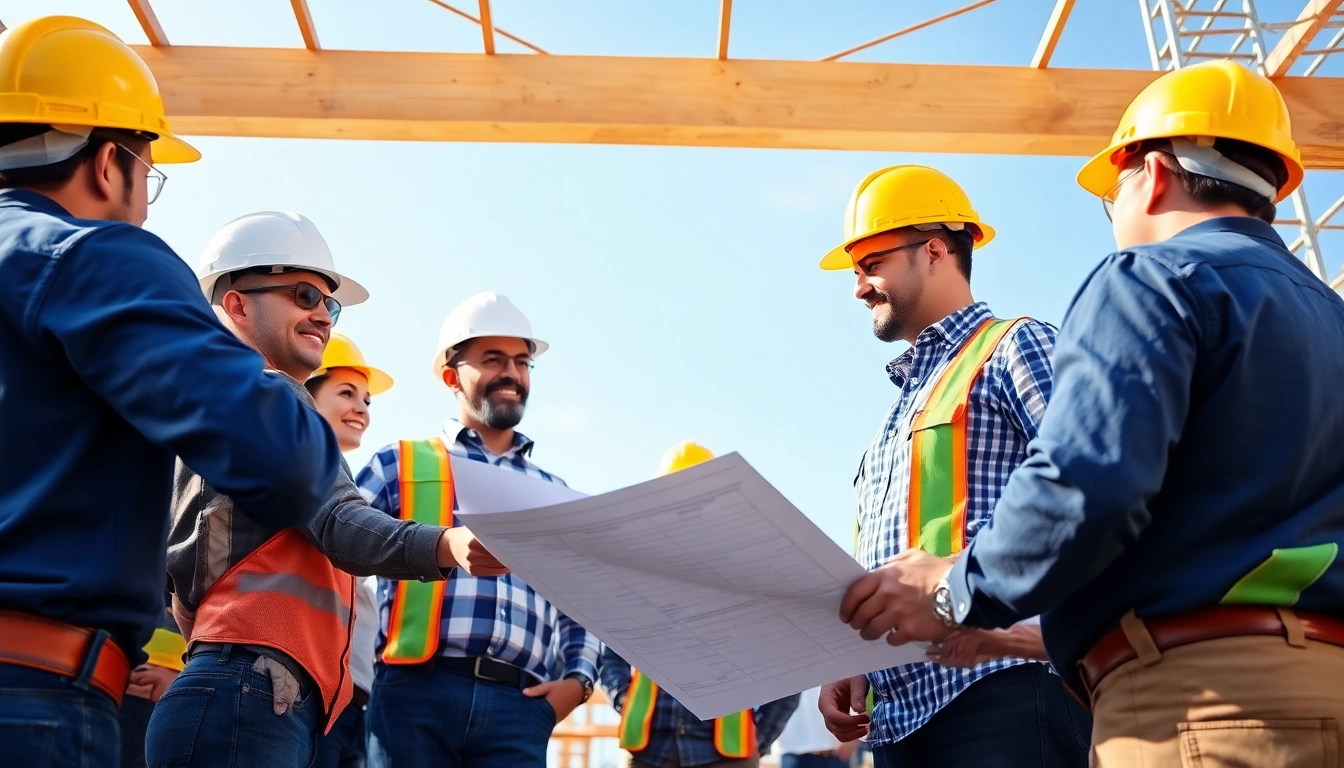
Understanding the Role of a New Jersey General Contractor
In the realm of construction and renovation, the role of a general contractor serves as a pivotal piece in ensuring project success. As the central figure in managing a construction project, a New Jersey General Contractor is tasked with coordinating all aspects of a building endeavor, from planning through execution. Understanding what this role entails is crucial for anyone considering a construction or remodeling project.
What Does a General Contractor Do?
A general contractor oversees the day-to-day operations of a construction site and ensures that the project progresses within the agreed timeline and budget. Their responsibilities encompass a broad range of activities, such as bidding on contracts, securing necessary permits, hiring subcontractors, and managing inventory and materials. They serve as the primary point of communication for clients, keeping them informed and engaged throughout the construction process.
Key Responsibilities in Construction Projects
The key responsibilities of a general contractor include:
- Project Management: Coordinating various tradespeople and suppliers, and ensuring timely project delivery.
- Budgeting: Maintaining project budgets and monitoring expenses against forecasts to prevent cost overruns.
- Quality Assurance: Ensuring that work meets local building codes and quality standards, performing inspections and enforcing guidelines.
- Communication: Acting as the liaison between clients, architects, and subcontractors to facilitate collaboration.
- Risk Management: Identifying potential challenges and implementing measures to mitigate risks associated with the project.
Benefits of Hiring a General Contractor
Engaging a general contractor offers multiple advantages, such as:
- Expertise: General contractors possess specialized knowledge and experience that can greatly enhance project outcomes.
- Time Efficiency: Seasoned contractors know how to navigate delays and manage subcontractors effectively to ensure timely completion.
- Access to Resources: They have established relationships with suppliers and subcontractors, which can lead to cost savings and quality material sourcing.
- Problem-Solving: A general contractor reacts quickly to unforeseen issues that may arise during the project, ensuring minimal disruption to the overall timeline.
Qualities to Look for in a New Jersey General Contractor
When choosing a general contractor, specific qualities can greatly influence the success of your construction project.
Experience and Industry Knowledge
Experience in the industry provides a general contractor with the know-how to deal with a range of challenges. Observing how they handle past projects can give you insights into their expertise. Look for contractors who are well-versed in handling projects similar to yours, especially within New Jersey, where building codes and logistical challenges may vary.
Reputation and Client Reviews
Reputation plays a crucial role in determining a contractor’s reliability. Reading client reviews and testimonials can provide invaluable insights into their work ethics, quality, and overall satisfaction of previous clients. Recommendations from friends or family, or checking platforms dedicated to contractor ratings can also guide your decision.
Certification and Licensing Requirements
In New Jersey, general contractors are required to meet specific licensing requirements. Always verify that the contractor holds the necessary licenses and certifications. This can ensure compliance with local building regulations and can demonstrate their commitment to professionalism and quality standards in construction.
Cost Considerations When Hiring a New Jersey General Contractor
Understanding the financial aspects of hiring a general contractor is vital for budget management during your construction project.
Understanding Pricing Structures
General contractors may charge through various pricing structures, such as fixed fees, hourly rates, or cost-plus contracts. It is important to understand how these structures can impact your overall budget. A cost-plus contract, for instance, may provide transparency in pricing but could lead to unforeseen expenses if the project scope expands.
Budgeting for Unexpected Costs
Construction projects often come with unexpected costs. Budgeting for contingencies, typically 10-20% of the overall project cost, can help cushion against unforeseen expenses. Discussing potential risks and cost estimations with your contractor can provide clarity and prepare you for any surprises during the project.
Comparing Estimates from Contractors
Gathering multiple estimates from various contractors allows for effective comparison. Focus on broken-down estimates rather than just the bottom line; buy compared costs of labor, materials, and overhead. Analyzing these details will help assess value beyond just price, ensuring you select the contractor that aligns with your project’s needs and quality expectations.
Common Challenges with General Contractors
Working with general contractors can present certain challenges, but understanding these can prepare you to address them proactively.
Communication Gaps and Solutions
One common issue is communication gaps between the client and the contractor. To minimize misunderstandings, establish a clear line of communication early on. Regular meetings and updates can keep everyone on the same page and facilitate smoother project progression.
Delays and Time Management Strategies
Delays can significantly affect project timelines. Proactive scheduling and time management strategies involve setting realistic timelines and accounting for possible delays in the planning phase. Utilize project management tools to track progress and hold regular check-ins to address any delays promptly.
Ensuring Quality Control throughout the Project
Quality control is essential to ensure the final output meets expectations. Implement regular site inspections and set clear quality benchmarks with your contractor. A written agreement regarding quality standards can lessen disputes and ensure project satisfaction.
Frequently Asked Questions about New Jersey General Contractors
How do I know if a contractor is licensed?
You can verify a contractor’s license through the New Jersey Division of Consumer Affairs website. They maintain up-to-date records of licensed contractors in the state.
What are typical payment schedules with a general contractor?
Payment schedules often follow milestones in the project, such as a deposit before work begins, progress payments at key stages, and a final payment upon completion.
How long should my project take?
The timeline for a project varies based on its scope, size, and complexity. A detailed time frame can be established through discussions with your general contractor during the planning phase.
What should I do if something goes wrong during construction?
If issues arise, communicate immediately with your contractor. Document everything and review contracts to understand the proper procedures for addressing problems.
Can a contractor help with permits and regulations?
Yes, a knowledgeable general contractor typically assists with securing necessary permits and ensuring compliance with local regulations, guiding you through the legal complexities of construction.