Understanding the Role of a New York General Contractor
Overview of General Contracting in New York
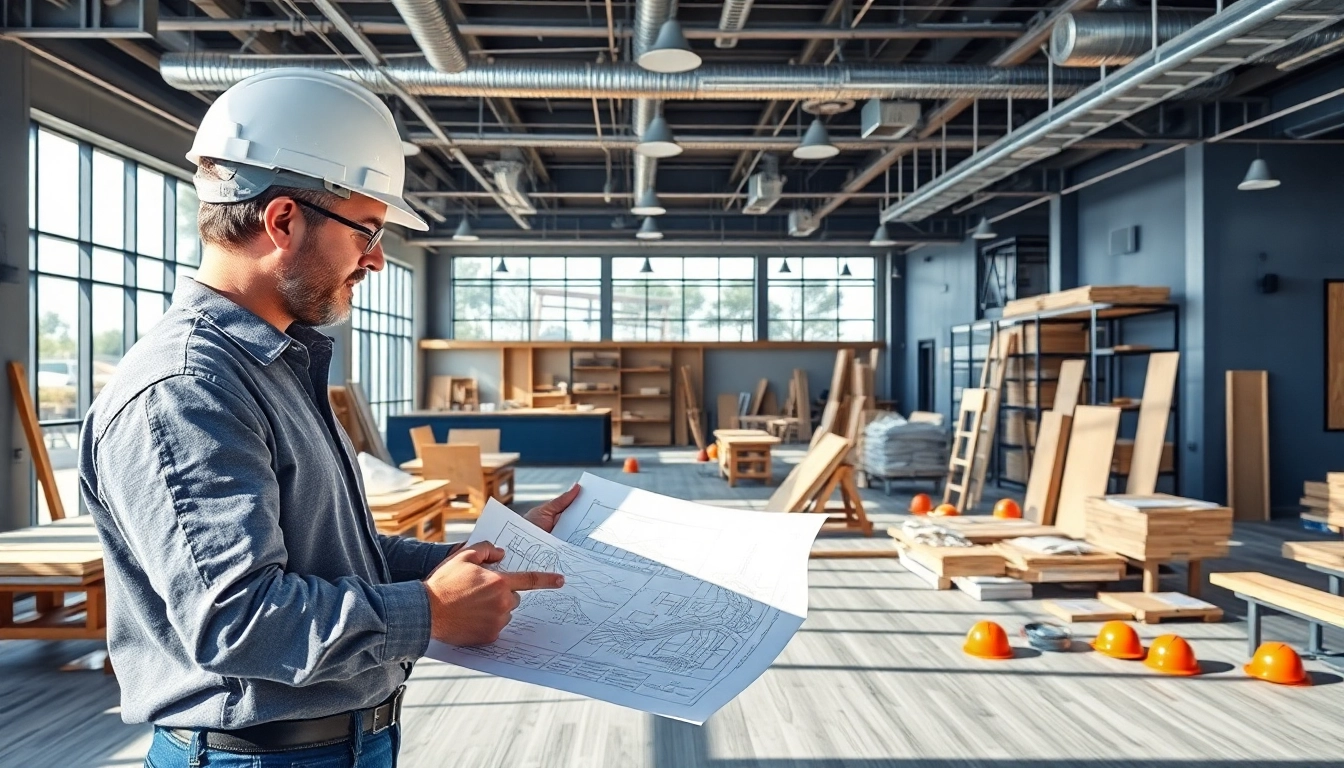
In the bustling environment of New York City, the role of a general contractor is pivotal to the success of construction projects. General contractors are responsible for overseeing the day-to-day operations of construction sites, ensuring that every aspect adheres to the established plans and timelines. They serve as the primary point of communication between clients, subcontractors, and suppliers, which is essential for delivering projects on time and within budget. A New York General Contractor navigates the intricate web of city regulations, building codes, and safety requirements, making their expertise invaluable in this unique urban landscape.
Key Responsibilities of a General Contractor
The responsibilities of a general contractor extend beyond mere oversight. These professionals are tasked with several critical functions that ensure the smooth execution of a construction project:
- Project Planning: From assessing designs to labor needs, effective project planning lays the foundation for every construction endeavor. A general contractor develops comprehensive work schedules that align with client expectations and regulatory timelines.
- Material Procurement: Sourcing quality materials at competitive prices is essential for keeping project costs manageable. A skilled contractor not only negotiates contracts but also maintains strong relationships with suppliers.
- Subcontracting: A general contractor hires and manages subcontractors specializing in various aspects of construction, including plumbing, electrical work, and carpentry. Ensuring that these subcontractors are qualified and reliable is vital for project success.
- Quality Control: Regularly inspecting worksites to ensure compliance with building standards and codes is a fundamental duty. A contractor is responsible for maintaining high-quality construction practices throughout the project.
- Project Close-Out: Once construction is complete, the general contractor manages the close-out process, which includes final inspections, addressing any punch list items, and ensuring all documentation is completed and submitted.
Skills Needed for Success
To excel as a general contractor in New York, a mix of hard and soft skills is essential:
- Leadership: A general contractor must effectively lead teams, ensuring everyone is aligned with project goals and deadlines.
- Communication: Clear and consistent communication is vital for managing expectations among clients and subcontractors.
- Problem-solving: Construction projects are fraught with challenges, necessitating a proactive and innovative approach to problem-solving.
- Financial Acumen: Understanding budgets and managing finances to prevent cost overruns is crucial.
- Knowledge of Regulations: Staying updated on local building codes and regulations is mandatory for compliance and safety.
Navigating New York’s Construction Regulations
Essential Permits and Licenses
Navigating the regulatory framework in New York requires a thorough understanding of essential permits and licenses. Each construction project type may require different permits, including:
- Building Permits: Necessary for all construction activities that require modification or construction of buildings.
- Demolition Permits: Required for tearing down existing structures, ensuring waste management and environmental compliance.
- Electrical and Plumbing Permits: Needed for specialized installations that involve electrical work or plumbing to ensure safety and adherence to code.
It is essential to consult local regulations early in the planning process, as failing to secure the proper permits can lead to significant delays and costly fines.
Compliance with Building Codes
Compliance with building codes in New York is non-negotiable. These codes set the minimum safety standards for construction, covering structural integrity, fire safety, and environmental impact. General contractors must ensure that all construction adheres to the International Building Code (IBC) and local amendments. Conducting regular inspections and working closely with city officials can help ensure that projects remain compliant throughout the construction process.
Safety Regulations and Standards
Safety is paramount on construction sites, and general contractors must adhere to OSHA (Occupational Safety and Health Administration) standards to provide a safe working environment. This includes implementing safety training for workers, maintaining equipment properly, and developing emergency procedures. Moreover, ensuring that all personnel on-site wear personal protective equipment (PPE) is essential to minimize the risk of workplace injuries.
Effective Project Management Strategies
Planning and Scheduling Techniques
Effective project management starts with rigorous planning and scheduling techniques. A general contractor should utilize tools such as Gantt charts and Critical Path Method (CPM) scheduling to allocate time and resources effectively. These methods help identify project milestones and track progress, making it easier to identify potential delays early on.
Budgeting and Cost Management
Budgeting is one of the most challenging aspects of construction management. A general contractor must develop a detailed budget that encompasses all projected costs, including materials, labor, and unexpected contingencies. Regular monitoring of expenditures against the budget ensures cost control, while effective negotiation strategies with vendors can help in minimizing expenses.
Communication with Stakeholders
Maintaining open lines of communication with all stakeholders, including clients, subcontractors, and suppliers, is critical for project success. Regular meetings and updates can foster a transparent environment where everyone is aligned on project goals and timelines. Tools such as project management software can facilitate better communication and coordination.
Sustainability in Construction Practices
Eco-Friendly Materials and Techniques
The push for sustainable construction practices is gaining momentum in New York. General contractors can contribute to environmental conservation by selecting eco-friendly materials, such as recycled steel, sustainably harvested wood, and non-toxic paints. Incorporating techniques such as passive solar design and energy-efficient installations can significantly reduce the overall carbon footprint of a project.
Benefits of Sustainable Building
Adopting sustainable building practices offers numerous benefits, including reducing energy costs, improving indoor air quality, and enhancing the overall quality of life for occupants. Furthermore, properties built with sustainable practices often command higher market prices due to increased awareness of environmental issues among buyers and renters.
Certifications for Green Building
Achieving certifications for green building, such as LEED (Leadership in Energy and Environmental Design), can bolster a contractor’s reputation in a competitive market. LEED certification, for example, demonstrates a commitment to sustainability and can be a selling point for projects, attracting environmentally conscious clients and investors.
Overcoming Challenges as a General Contractor
Dealing with Unforeseen Issues
No construction project is free from unforeseen issues. Whether it’s a delay in material delivery or unexpected weather conditions, a successful general contractor must develop contingency plans to address these challenges. This includes maintaining reserve funds and flexible timelines to accommodate potential setbacks.
Managing Client Expectations
Managing client expectations is crucial for maintaining a positive relationship and ensuring client satisfaction. This can be achieved by setting realistic timelines, providing regular project updates, and being transparent about any challenges that may arise during construction.
Strategies for Quality Assurance
Quality assurance is a core responsibility of a general contractor. Implementing a systematic approach to quality management ensures that every aspect of construction meets specified standards. This may include conducting regular site inspections, maintaining comprehensive documentation, and ensuring all work is completed to code.
Frequently Asked Questions
What should I look for in a New York General Contractor?
Ensure they have experience, proper licensing, and good references. They should communicate clearly and understand your project needs.
How do New York construction permits work?
You’re required to obtain specific permits based on the project type. Consult local regulations to ensure compliance with building codes.
What’s the average timeline for a construction project in New York?
Timelines vary based on project scale, but most medium-sized projects can take anywhere from 6 months to over a year.
Can a New York General Contractor help with design?
Yes, many general contractors collaborate with architects and can offer design consultation services as part of the project.
What are the costs associated with hiring a general contractor?
Costs can vary widely; expect to pay a percentage of the overall project cost, typically 10% to 20%, along with direct expenses for materials and labor.