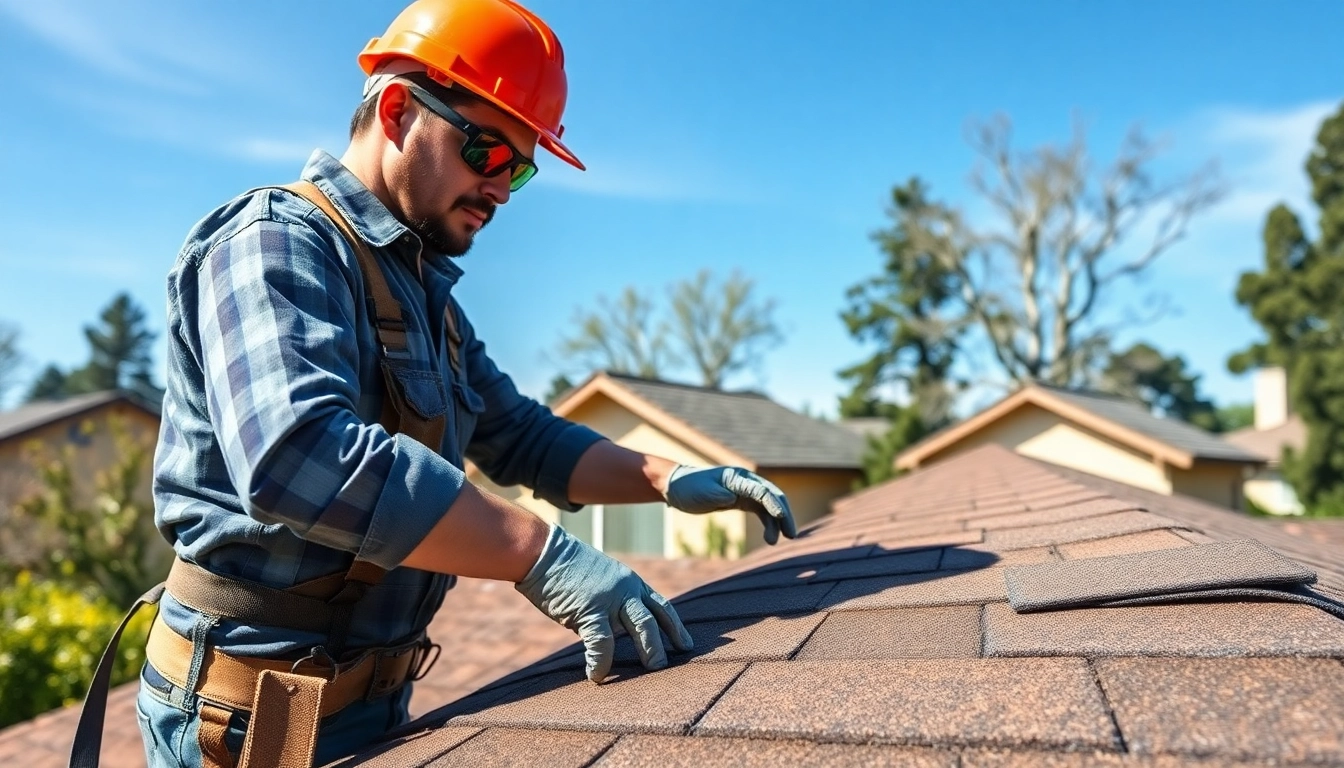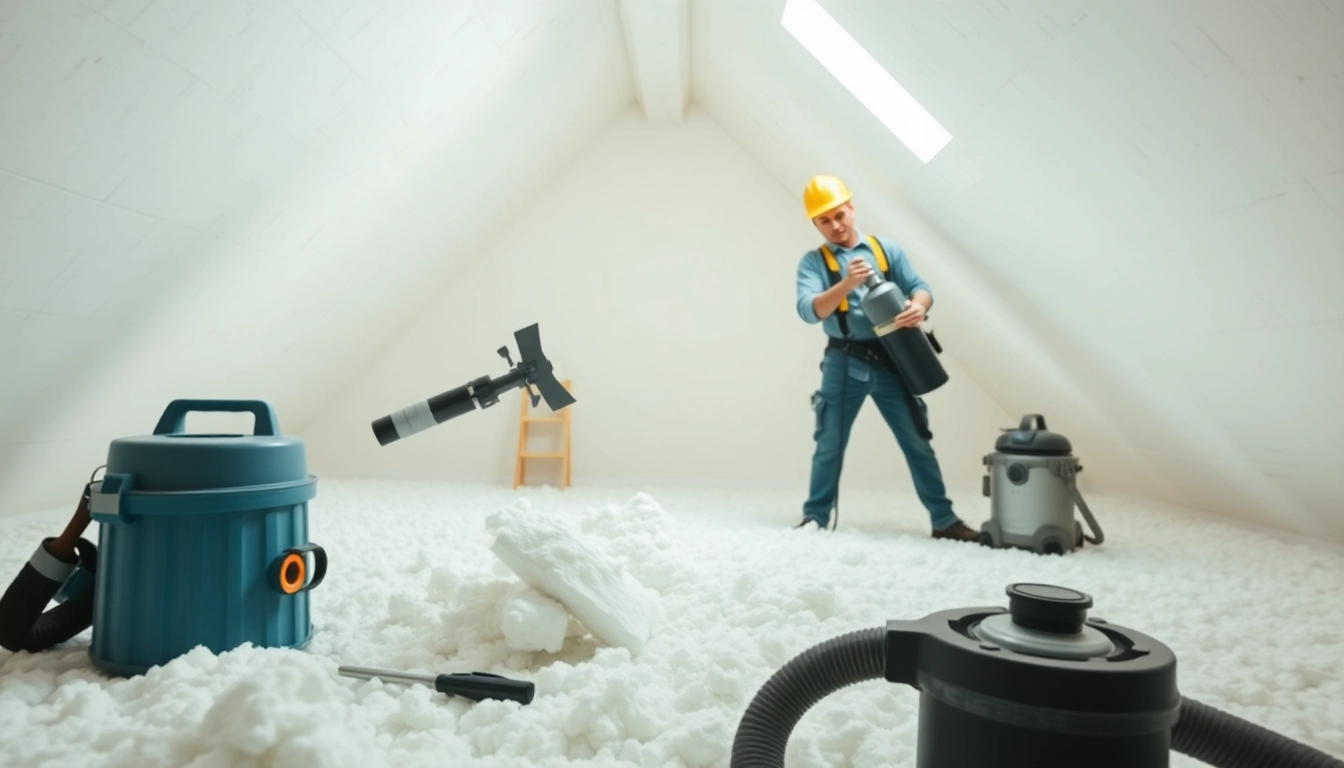
Understanding Spray Foam Loft Removal
What is Spray Foam Insulation?
Spray foam insulation is a popular choice for homeowners looking to improve energy efficiency and soundproof their properties. It consists of a mixture of isocyanate and polyol resin, which, when combined, expands upon application, filling gaps and creating a solid thermal barrier. This material adheres well to surfaces, providing excellent insulation and reducing air leaks, making it particularly beneficial for attics and loft spaces. Over time, however, homeowners may find the need for spray foam loft removal due to various factors such as damage, pest issues, or the desire for alternative insulation methods.
Reasons for Spray Foam Loft Removal
There are several compelling reasons to consider the removal of spray foam insulation:
- Damage or Deterioration: Over time, the spray foam can deteriorate, losing its insulating properties and possibly harboring mold or pests.
- Pest Infestation: If pests have nested in the foam, removal is necessary to address both the pests and the damage they may have caused.
- Renovation Needs: Homeowners may encounter situations requiring alterations in the loft space, necessitating removal to accommodate construction.
- Health Concerns: If the foam was improperly installed or has off-gassed hazardous chemicals, removing it may become a health priority.
- Upgrading Insulation: Some homeowners opt for more modern insulation solutions that may be more effective than spray foam.
Key Factors Affecting Removal Cost
The cost of spray foam loft removal can vary significantly based on several factors:
- Extent of Coverage: The more extensive the spray foam insulation, the higher the labor and disposal costs.
- Accessibility: Difficult-to-reach areas will require more time and specialized equipment, increasing costs.
- Type of Foam: Different spray foam types can require different removal techniques, affecting labor involved.
- Condition of the Foam: Damaged foam or contamination will require additional labor to safely and effectively remove.
- Location: Geographic location can impact labor rates and disposal fees due to different local regulations.
Preparation for Removal
Assessing Your Loft’s Condition
Before commencing with spray foam loft removal, it’s essential to evaluate the overall condition of your loft. Look for signs of wear, moisture accumulation, or pest damage to determine the extent of the issue. Document any areas that may require special attention during the removal process. In addition, consider potential structural implications that may need to be addressed afterward.
Necessary Tools and Equipment
Gathering the right tools and equipment will ensure a smoother removal process. Here’s a fundamental list:
- Protective gear (gloves, goggles, masks)
- Utility knife or saw for cutting foam
- Scrapers or chisels for hard-to-remove sections
- Heavy-duty trash bags for disposal
- Dehumidifier or fans for ventilation
- Tarps to protect surfaces below
Safety Precautions to Follow
Safety should always be a priority during any insulation removal project. Before beginning, ensure:
- You are wearing appropriate personal protective equipment (PPE).
- The work area is well-ventilated to avoid inhalation of harmful particles.
- You have a plan for disposing of the removed material, following local regulations.
- All electrical systems in the area are safely deactivated to prevent hazards.
Step-by-Step Removal Process
Instructions for Safe Foam Removal
When removing spray foam insulation, consider the following systematic approach:
- Remove Obstructions: Clear the area of any objects that could hinder access to the spray foam.
- Score the Foam: Use your utility knife to carefully score the foam. This helps break the bond between foam and structure.
- Lift and Peel: Starting at the edge, carefully peel back the foam. Use scrapers where adhesive remains, to ensure a clean surface.
- Dispose Properly: Place removed foam in heavy-duty trash bags for safe disposal. Consult local regulations regarding waste disposal.
Dealing with Hazardous Material
Some spray foams contain hazardous materials, which require special attention. If any mold is present, it’s essential to wear an N95 mask and proper protective clothing to avoid inhalation or contact. In some cases, hiring professionals experienced in hazardous material handling may be the safest option.
Post-Removal Cleanup Tips
After the removal process, a thorough cleanup is vital to ensure a safe and hospitable loft environment. Here are a few cleanup tips:
- Inspect the exposed surfaces for any remaining adhesive or contamination, and clean them with an appropriate solvent.
- Use a vacuum with high-efficiency particulate air (HEPA) filters to capture fine dust and particles.
- Allow the loft to air out thoroughly to dissipate any residual odors or contaminants.
Restoration After Removal
Insulation Alternatives After Spray Foam
Once the spray foam has been removed, you may consider other insulation alternatives to ensure your loft remains energy efficient:
- Fiberglass Insulation: A traditional option, fiberglass is easy to install and effective, but requires careful handling to avoid irritation.
- Cellulose Insulation: Made from recycled materials, cellulose is environmentally friendly and provides excellent thermal performance.
- Mineral Wool: Offering fire resistance and soundproofing qualities, mineral wool is a great choice for loft spaces.
Repairing Potential Loft Damage
During spray foam removal, damage to the loft structure may be revealed. It’s important to address any issues promptly to avoid further complications:
- Inspect beams and joists for structural integrity.
- Repair any damaged wood with appropriate steel or wood reinforcements.
- Check for moisture damage; consider utilizing a dehumidifier if necessary to prevent mold and decay.
Preparing for New Insulation Installation
Before installing new insulation, ensure that the loft is thoroughly prepared. Focus on the following:
- Ensure all surfaces are clean and free of debris.
- Evaluate any existing airflow or ventilation issues that should be addressed.
- Assess the need for potential upgrades to roofing or building materials if degradation is observed.
FAQs about Spray Foam Loft Removal
What method is best for spray foam removal?
The best method for spray foam removal usually involves scoring the foam and peeling it back, utilizing appropriate tools to ensure safety and efficiency.
How long does the removal process take?
The duration of the removal can vary depending on the foam coverage and size of the loft, but typically it can take a day or two.
Are there any hazards during removal?
Yes, hazards may include inhaling dust or particles, exposure to mold, and the risk of structural damage, which is why safety precautions are essential.
Can I remove spray foam insulation myself?
While it is possible to remove spray foam on your own, it’s advised to hire professionals, especially in case of hazardous materials.
What should I do with leftover foam?
Leftover foam should be disposed of safely in accordance with local regulations, as it may be considered hazardous waste.