Understanding Bed Bugs: The Basics of Infestation
Bed bugs have emerged as a major pest problem globally, with the potential to disrupt lives and cause significant distress in households and businesses alike. Understanding their behavior, life cycle, and the factors that contribute to infestation is essential for effective management and treatment. In this article, we will delve into various aspects of bed bug infestations, discuss current bed bug treatment options available in 2026, and provide valuable insights to help homeowners and renters take proactive measures. When exploring options, bed bug treatment provides comprehensive insights that are crucial for thorough eradication.
What Are Bed Bugs and Their Life Cycle?
Bed bugs, scientifically known as Cimex lectularius, are small, nocturnal insects that primarily feed on the blood of humans and animals. Their flattened, oval shape allows them to easily hide in small spaces, often leading to unnoticed infestations. Adult bed bugs are typically about the size of an apple seed, ranging from 1/4 to 1/5 inch in length.
The life cycle of a bed bug consists of several stages including the egg, nymph, and adult. A female bed bug can lay up to 7 eggs per week, with a lifespan of over 500 eggs, meaning infestations can escalate quickly if not managed promptly. The eggs hatch within about a week, leading to nymphs that mature into adults in approximately 5 weeks under optimal conditions, perpetuating the cycle of infestation.
Common Signs of Bed Bug Infestation
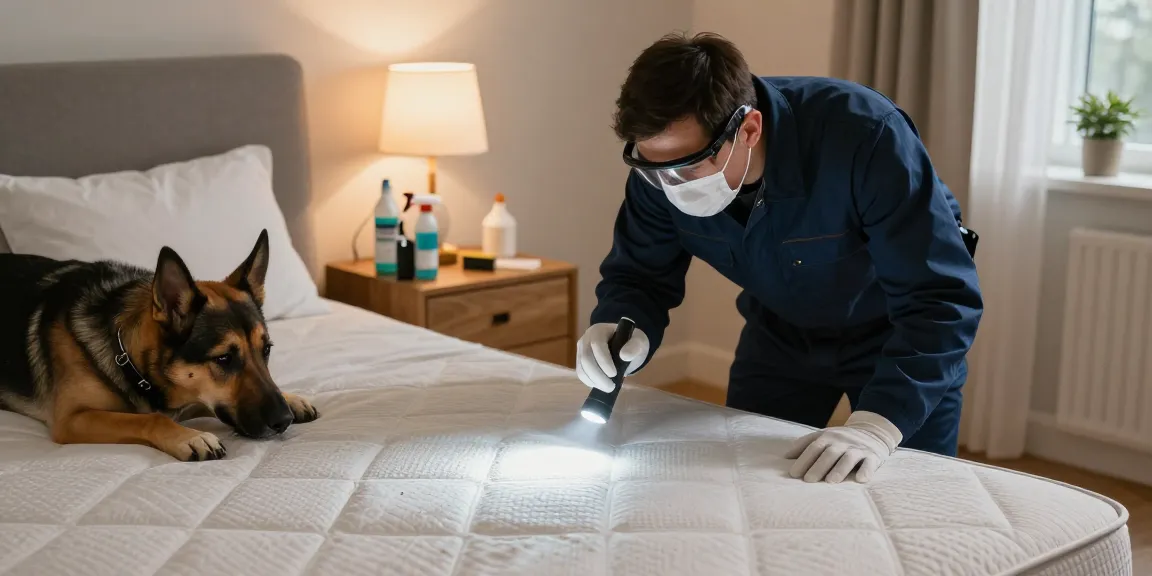
Identifying a bed bug infestation early can mitigate the problem and reduce the need for extensive treatment. Common signs include:
- Itchy, red welts on the skin, often appearing in lines or clusters.
- Small blood stains on bedding or mattresses from crushed bugs.
- Dark, inky spots (bed bug excrement) on sheets and mattresses.
- Visible bed bugs in seams of mattresses, bed frames, and furniture.
How Bed Bugs Travel and Spread in Homes
Bed bugs are excellent hitchhikers. They often infiltrate homes through luggage, used furniture, clothing, and bedding. Their ability to survive without feeding for several months makes them particularly challenging to control. They can travel up to 100 feet in a single night in search of a meal, frequently hiding in the seams of mattresses and other dark, isolated areas during the day.
Current Bed Bug Treatment Options in 2026
The battle against bed bugs has evolved, with numerous treatment options available. Understanding the benefits and limitations of each is essential for effective pest management. In 2026, homeowners can choose from various strategies that cater to specific needs and situations.
Comparison of Heat Treatment vs. Chemical Spray Treatment
Heat treatment is one of the most effective methods for bed bug eradication, utilizing high temperatures (around 120°F or 49°C) to kill all life stages of bed bugs, including eggs. This eco-friendly approach is particularly beneficial for individuals with allergies, as it also eliminates other allergens like dust mites. In contrast, chemical spray treatments provide a lasting residual barrier that can last up to 120 days, but may require careful preparation and adherence to safety protocols.
Effectiveness of Integrated Pest Management Strategies
Integrated Pest Management (IPM) strategies focus on combining various techniques to achieve long-term pest control. This may include a combination of chemical treatments, heat treatment, monitoring, and preventative measures. By understanding the unique behaviors and habitats of bed bugs, exterminators can tailor treatments for specific situations, ultimately leading to more successful outcomes.
Modern DIY Solutions versus Professional Exterminators
While DIY solutions can be appealing due to their lower cost, they often fall short in effectively eliminating established infestations. Professional exterminators possess the expertise and access to commercial-grade products that can penetrate all hiding spots, ensuring comprehensive treatment and prevention of reinfestation. Engaging a professional service is often a more effective approach, especially for significant infestations.
Cost of Bed Bug Treatment: What to Expect
The cost of bed bug treatment can vary widely based on several factors, including the size of the infestation, the chosen treatment method, and the specific services provided. Understanding these elements can help homeowners budget effectively and make informed decisions.
Average Pricing for Bed Bug Extermination Services
In 2026, homeowners can expect to pay between $300 and $1,500 for comprehensive bed bug extermination services, depending on the severity of the infestation and the chosen treatment method. Heat treatment tends to be at the higher end of the cost spectrum due to its effectiveness and the equipment required.
Factors Influencing Treatment Costs in 2026
Several factors can influence the overall cost of bed bug treatment, including:
- Severity of the infestation
- Type of treatment chosen (heat vs. chemical)
- Size of the affected premises
- Geographic location and regional pricing variations
Cost-Effective Prevention Strategies for Homeowners
Preventing a bed bug infestation can save homeowners significant amounts of money in potential treatment costs. Key strategies include:
- Regularly inspecting and cleaning bedding and furniture.
- Utilizing protective covers for mattresses and box springs.
- Being cautious when bringing home used items or furniture.
Challenges and Misconceptions About Bed Bug Treatment
Despite growing awareness, several misconceptions about bed bugs and their treatment still persist, leading to ineffective management strategies.
Common Misunderstandings About Bed Bugs and Treatment
A prevalent misconception is that bed bugs are only found in unclean environments. In reality, these pests can thrive in any setting as long as they have access to a food source. Additionally, some believe that DIY treatments are sufficient for complete eradication, when often they are not robust enough to handle an established infestation.
How to Prepare Your Home for Treatment
Proper preparation before a bed bug treatment can significantly enhance its effectiveness. Homeowners should:
- Declutter their living spaces to allow easy access to treatment areas.
- Wash and bag all clothing and linens to prevent cross-contamination.
- Inform professional exterminators of any previous treatments or infestations.
Long-Term Strategies to Avoid Re-Infestation
After treatment, homeowners must remain vigilant to prevent bed bug re-infestation. Strategies include routine inspections, maintaining cleanliness, and promptly addressing any signs of bed bugs. Regular communication with pest control professionals can also help in staying ahead of any potential issues.
Future Trends in Bed Bug Treatment and Prevention
The pest control industry is constantly evolving, with new technologies and methodologies emerging to improve bed bug management. Here are some future trends to watch for in 2026 and beyond.
Innovations in Pest Control Technologies for 2026
The use of technology in pest control is on the rise, with advances including smart traps equipped with monitoring systems that alert homeowners to infestations in real-time. Additionally, innovations in chemical formulations that target bed bugs specifically, while minimizing harm to humans and pets, are being developed.
Emerging Chemical and Non-Chemical Solutions
As research continues, new chemical and non-chemical solutions are expected to emerge, providing pest control professionals with a broader arsenal for managing bed bugs. This includes the potential for natural treatments that are environmentally friendly yet effective.
Expert Insights on the Future of Bed Bug Management
Industry experts suggest that public education and awareness campaigns are crucial in preventing future infestations. Increased awareness about the behaviors of bed bugs and effective treatment options will empower individuals to take proactive measures, reducing the overall prevalence of these pests in communities.
What should I do if I suspect bed bugs in my home?
If you suspect a bed bug infestation, it’s important to act quickly. Inspect your bedding and furniture for signs of bed bugs. If you find evidence, contact a professional exterminator for an assessment.
How long does bed bug treatment typically take?
The duration of bed bug treatment varies based on the method used and the severity of the infestation. A heat treatment can typically be completed in one day, while chemical treatments may require multiple visits over several weeks.
Are bed bug treatments safe for pets and children?
Most professional bed bug treatments are designed to be safe for pets and children when proper protocols are followed. However, it is crucial to discuss any concerns with your exterminator ahead of treatment.
What signs indicate that treatment has been successful?
Successful treatment is indicated by the absence of bites on occupants, lack of visible bed bugs, and no signs of new eggs or feces in the treated areas. Follow-up inspections can help confirm the effectiveness of the treatment.
How can I prevent bed bugs from returning?
Preventative measures include maintaining cleanliness, regularly inspecting sleeping areas, and being cautious with secondhand items. Collaborating with pest control experts for ongoing monitoring can also help in preventing reinfestations.