Understanding Custom Laser Design
What is Custom Laser Design?
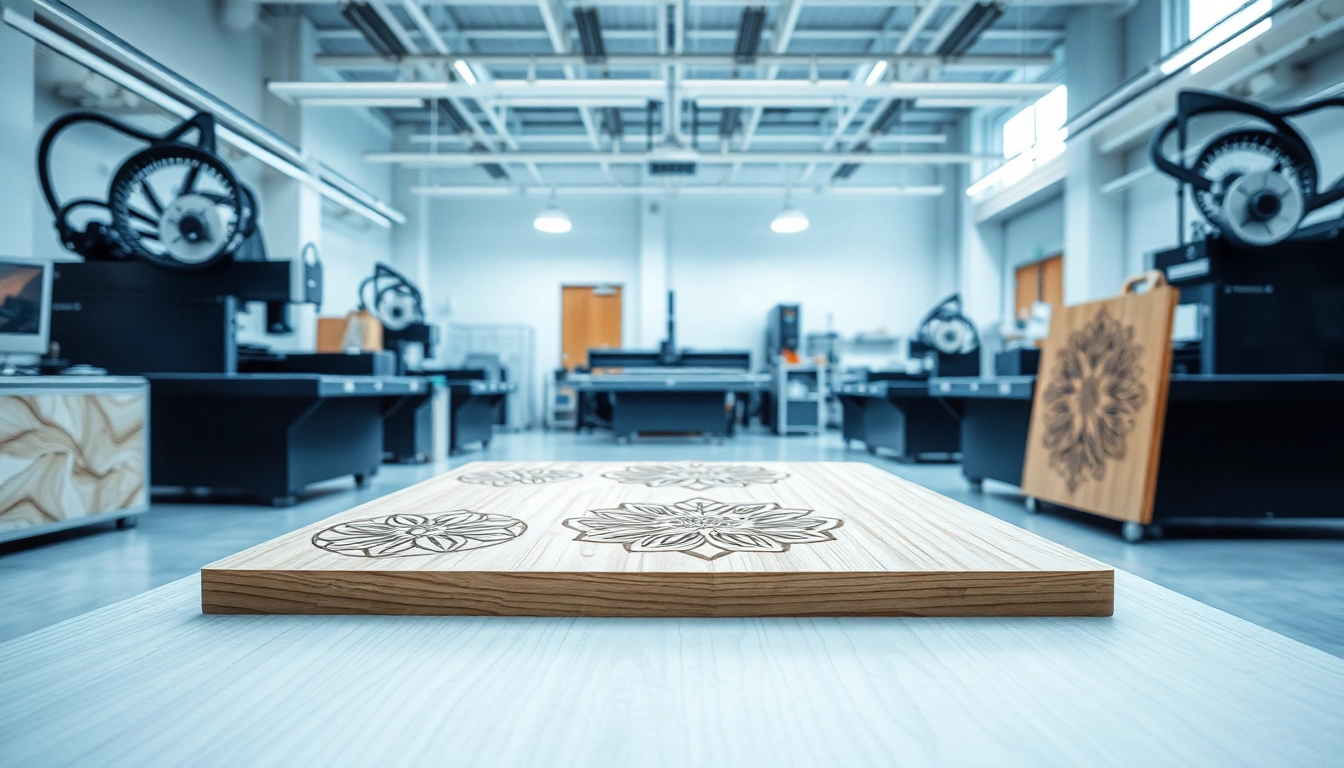
Custom laser design is an innovative technique that employs laser technology to create intricate patterns, engravings, and designs on various surfaces. This process involves the use of a laser cutter or engraver that can achieve high levels of precision and detail, making it popular across multiple industries. Whether for personal use or business applications, custom laser design enables designers to bring unique visions to life, crafting everything from decorative art pieces to functional products.
Key Technologies Behind Laser Design
The technology powering custom laser design is primarily based on lasers, which convert light into a highly focused beam capable of cutting or engraving materials. The leading technologies include:
- CO2 Lasers: Ideal for engraving and cutting materials such as wood, acrylic, and glass due to their efficiency in absorbing light.
- Fiber Lasers: Best suited for metal materials, fiber lasers are known for their speed and precision, making them popular in industrial applications.
- YAG Lasers: Often used for high-precision work, YAG lasers are versatile and effective for both cutting and engraving metal and non-metal surfaces.
These technologies, combined with intuitive design software, enable designers to create complex designs quickly and accurately.
How Custom Laser Design Works
The process of custom laser design involves multiple steps:
- Concept Creation: Designers craft a concept and prepare digital designs using graphic design software.
- File Preparation: The design files are converted into a compatible format for the laser cutter.
- Material Setup: The chosen material is secured on the laser bed, ensuring it is stable during processing.
- Laser Cutting/Engraving: The laser is activated, and it follows the design path, engraving or cutting the material as specified in the file.
- Finishing Touches: Once the process is complete, any additional finishing, such as polishing or coating, may be applied to enhance the final product.
This level of process control ensures that every design can be tailored to meet the specific needs and desires of the customer.
Applications of Custom Laser Design
Custom Laser Design in Art and Decor
Custom laser design has revolutionized the world of art and decor, offering artists a way to create pieces that are both unique and detailed. From personalized wall art to complex sculptures, laser technology allows for:
- Personalized Gifts: Items such as engraved photo frames or customized jewelry can be made, perfect for special occasions.
- Home Decor: Artistic elements like laser-cut wall hangings, decorative screens, and intricate lighting fixtures add a modern touch to interiors.
- Sculptural Artworks: Artists leverage laser cutting to create layered, 3D sculptures that engage viewers with their depth and detail.
These applications not only enhance artistic expression but also provide individuals with unique customization options.
Functional Uses in Business
Beyond the realm of art, custom laser design is extensively utilized in business for practicality and branding purposes. Key applications include:
- Product Branding: Companies often use laser engraving for logos, creating durable and professional branding on products.
- PROMOTIONAL ITEMS: Customized giveaways like laser-engraved pens or keychains serve as effective marketing tools.
- Prototype Development: Businesses can quickly produce prototypes for design testing in various industries, from automotive to consumer goods.
These functional applications showcase the versatility of custom laser design in enhancing business operations and marketing strategies.
Innovative Projects Using Custom Laser Design
Throughout various fields, custom laser design has led to innovative projects that showcase its capabilities. Noteworthy projects include:
- Custom Furniture: Designers create unique pieces that incorporate intricate laser cuts, adding elegance and functionality.
- Event Decor: Weddings and corporate events utilize laser-cut backdrops and table centerpieces to enhance aesthetics.
- Jewelry Making: Jewelers are using laser engravers for creating intricate patterns in rings and pendants that were once unimaginable.
These innovative projects highlight the potential of custom laser design to transform ideas into tangible results across various sectors.
Choosing the Right Materials for Custom Laser Design
Best Materials for Laser Engraving
Material selection is crucial for achieving optimal results in custom laser design. Some of the best materials for laser engraving include:
- Wood: Ideal for detailed engravings and cuts; it adds a natural touch to any design.
- Acrylic: This material provides a sleek, polished finish and is available in various colors.
- Leather: Perfect for personalizing items like wallets or bags, leather engravings can create beautiful textures.
- Metal: Fiberglass and YAG lasers can engrave metals, creating products with durability and a professional look.
Using the right materials can significantly impact the finish and longevity of the designs, reinforcing the importance of material choice.
Impact of Material Choice on Design Quality
The choice of material directly influences the quality of the design outcome. Key impacts include:
- Detail Retention: Some materials hold fine details better than others, affecting how intricate designs appear.
- Depth of Engraving: Different materials respond differently to laser intensity, which can alter the depth and shadowing of engraved designs.
- Finish Quality: The textures and colors of materials can either enhance or detract from the design, making careful selection essential.
Understanding the characteristics of various materials helps designers achieve the precision and quality they aim for in their projects.
Durability Concerns with Different Materials
Durability is a critical consideration when selecting materials for custom laser design. Here’s how different materials stack up:
- Wood: While beautiful, wood can warp or fade over time if not properly treated.
- Acrylic: Offers good durability but can scratch easily; protective coatings can enhance its lifespan.
- Leather: With proper care, leather products can last a long time, but exposure to moisture can damage them.
- Metal: Generally the most durable option, metals resist wear and tear, ideal for functional items.
Choosing the right balance between aesthetics and durability ensures that designs remain impactful for years to come.
Best Practices for Custom Laser Design Projects
Design Tips for Optimal Results
Creating effective and appealing designs requires attention to detail and adherence to best practices. Here are essential design tips:
- Keep It Simple: Overly complex designs can be difficult to produce and may lose details in the process.
- Consider Material Textures: Choose designs that complement the natural textures of the material to enhance the visual appeal.
- Test Prototypes: Running test cuts or engravings can help gauge how designs translate into physical products.
- Optimize Design Files: Ensure that files are formatted correctly and free of errors before sending them to the laser cutter.
Applying these tips can streamline the production process and improve overall results.
Common Mistakes to Avoid
Designers should be aware of common pitfalls that can affect the quality of their projects. Avoid these mistakes:
- Ignoring Material Properties: Not considering how different materials react to lasers can lead to subpar results.
- Overlooking File Formats: Submitting files in the wrong format can delay projects; ensure compatibility with the laser equipment.
- Neglecting Scale: Failing to check scale before cutting can result in designs that do not fit intended spaces or purposes.
Being mindful of these common oversights can help maintain a high-quality production process.
Fine-Tuning Your Designs for Perfection
Refining designs is crucial for achieving excellence in custom laser projects. Steps include:
- Seek Feedback: Share drafts with peers or clients to gain insights and improve your design further.
- Make Iterative Adjustments: Fine-tuning designs based on trial runs can help pinpoint the ideal specifications for different materials.
- Evaluate Aesthetics and Functionality: Balance the artistic aspects with functional requirements to create well-rounded designs.
This iterative approach fosters continuous improvement and elevates the quality of final products.
Measuring the Success of Custom Laser Design Projects
Key Performance Indicators for Your Design
Measuring the success of a custom laser design project involves evaluating several key performance indicators (KPIs):
- Client Satisfaction: Feedback from clients can reveal the project’s success in meeting their requirements and expectations.
- Time Efficiency: Assessing how effectively time and resources were utilized can help streamline future projects.
- Cost Effectiveness: Evaluating whether the project remained within budget is crucial for business profitability.
- Design Quality: Reviewing the final product against initial design goals helps to measure overall quality.
These KPIs provide valuable insights into areas of success and those needing improvement.
Client Feedback and Iterative Design
Client feedback is invaluable for refining designs and enhancing future projects. Consider these approaches:
- Surveys: Post-project surveys can gather comprehensive feedback about various aspects of the custom laser design.
- Focus Groups: Engaging a group of clients to discuss their experiences can yield deeper insights into their needs.
- Follow-Up Communication: Staying in touch with clients can keep you informed about their long-term satisfaction and any evolving needs.
Integrating client feedback into the design process fosters deeper relationships and leads to more successful projects.
Case Studies of Successful Custom Laser Design
Analyzing successful projects provides practical insights into effective custom laser design. Consider the following case studies:
- Art Installation in Public Spaces: A series of laser-cut public artworks brought life and engagement to a city park, illustrating how design can enhance community spaces.
- Corporate Branding Events: A company’s use of custom laser-engraved promotional products significantly increased brand visibility and client retention.
- Creative Exhibition Designs: An artist utilized laser technology to create immersive installations, demonstrating that laser design can push the boundaries of traditional art.
These examples show how custom laser design can drive impactful results across various applications.
FAQs
What materials can I use for custom laser design?
You can use a range of materials including wood, acrylic, leather, and metal, depending on the desired effect and application.
How long does a custom laser design project take?
The duration varies based on project complexity, but simple designs may take a few hours, while intricate projects could require several days.
Is custom laser design sustainable?
Custom laser design can be sustainable when using eco-friendly materials and processes, like responsibly sourced wood and minimal waste production.
Can I modify designs after the initial creation?
Yes, custom laser design allows for easy adjustments and iterations, enabling you to refine designs based on client feedback or new ideas.
What industries use custom laser design?
Custom laser design is utilized across various industries, including art, jewelry, architecture, marketing, and manufacturing for functional or decorative purposes.