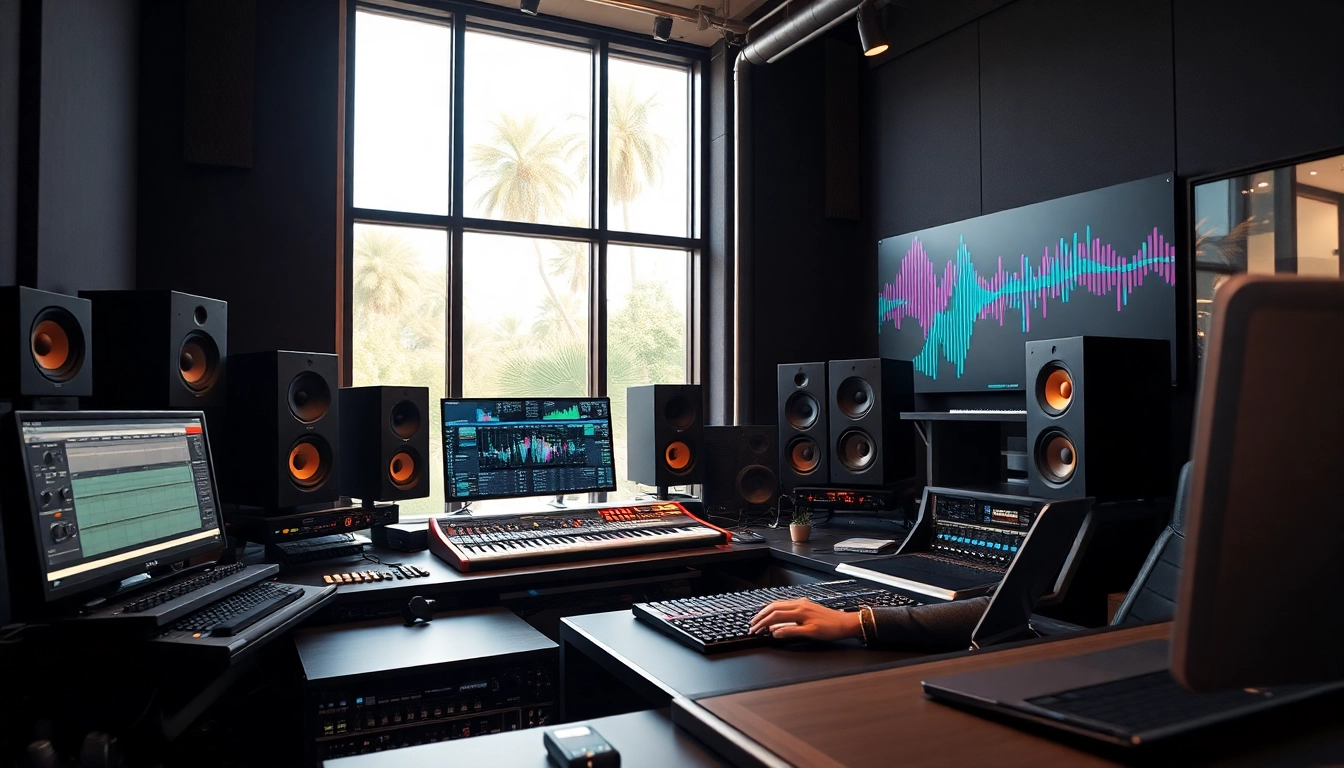
Understanding Online Mastering
What is Online Mastering?
Online mastering refers to the final stage in music production, where audio tracks are polished to achieve a professional sound before distribution. During this process, audio engineers use various techniques and tools to ensure that the final track has optimal quality, balanced levels, and is ready for different playback systems. This modern approach allows musicians and producers to submit their audio files digitally, making it increasingly accessible and efficient. As a growing trend, online mastering eliminates geographical boundaries, enabling artists from around the world to collaborate with top-tier masters without needing to travel.
Benefits of Online Mastering
The rise in online mastering services offers numerous benefits for artists and producers. Firstly, it typically reduces costs compared to traditional mastering sessions, which often incurred studio time and travel expenses. Online services also provide flexibility: artists can send tracks to multiple mastering engineers for comparisons, allowing them to choose the best fit for their sound. Furthermore, many online mastering platforms use advanced automated systems that can expedite the process while maintaining quality. This accessibility is particularly beneficial for independent artists who might be operating on a tight budget. Finally, online mastering allows for faster turnaround times, which is crucial in a fast-paced music industry.
How Online Mastering Works
The online mastering process begins when an artist uploads their mixed track to a mastering service platform. After uploading, the artist usually has options to provide instructions for the mastering engineer, including any desired sound characteristics or adjustments. The mastering engineer then processes the track, which involves equalization, compression, limiting, and other audio effects tailored to enhance the track’s overall quality. Once processed, the artist receives a sample, usually in various formats, enabling them to make adjustments before final approval. This back-and-forth approach ensures that the artist’s vision is achieved while benefiting from the expertise of the mastering engineer.
Choosing the Right Online Mastering Service
Factors to Consider
When selecting an online mastering service, several factors come into play. Firstly, the reputation of the service matters significantly—check for professional credentials, previous work, and testimonials. Secondly, the range of services offered, such as mastering for specific genres or formats, is crucial. Moreover, look for a platform that allows for direct communication with mastering engineers, as this can enhance the collaborative process. Lastly, consider the ease of use of the website, payment options, and customer service availability, as these can greatly influence your overall experience.
Comparing Services: Pricing vs. Quality
Pricing in online mastering varies widely, often reflecting the quality of the service. While it’s tempting to opt for cheaper options, it is essential to weigh cost against the quality of the service. High-quality mastering often employs experienced engineers, advanced technology, and superior acoustically treated environments, which may lead to higher costs. Conversely, lower-priced services might use automated processes that do not take into account the nuances of the mix. Therefore, before making a decision, listen to samples from different services, read reviews, and compare the results to ensure that you are receiving value for your investment.
Customer Reviews and Feedback
Customer feedback serves as an invaluable tool in selecting an online mastering service. Read reviews on independent platforms to get a sense of the user experience. Positive testimonials often focus on communication, turnaround times, and, most importantly, the quality of the final product. Moreover, some platforms allow users to share their projects, enabling potential customers to listen to examples before making a choice. This peer-driven feedback culture can significantly guide your decision-making process by helping you avoid potential pitfalls associated with inferior services.
Best Practices for Successful Online Mastering
Preparing Your Tracks for Mastering
Properly preparing your tracks before sending them for mastering is crucial for achieving the best results. First, ensure that your mix is balanced, with no individual elements overpowering others. Pay special attention to the overall dynamic range of the track—too much compression might lead to a flat sound. Additionally, ensure that your mix has a consistent level, ideally allowing about 3-6 dB of headroom before clipping. Furthermore, include notes or instructions for the mastering engineer, detailing your vision for the final product, which helps guide their decisions during the mastering process.
Common Mistakes to Avoid
Avoiding common pitfalls can make a significant difference in the outcome of your online mastering. One major mistake is neglecting to check mix levels; issues such as excessive loudness can hinder the mastering engineer’s ability to enhance the track effectively. Furthermore, ensure that your tracks are exported in the correct format and quality settings—typically, this means using a 24-bit WAV file at the highest sample rate available. Lastly, do not rush the process. Allow yourself adequate time for revisions and discussions with your mastering engineer to ensure the best possible end product.
Working with Your Mastering Engineer
Your relationship with the mastering engineer can significantly influence the outcome of your project. Effective communication is key; be open about your expectations, goals, and any specific concerns you may have about your tracks. Most engineers appreciate detailed feedback, as it helps them to align with your artistic vision. Also, don’t shy away from asking questions—it’s beneficial to understand their techniques and methods. Remember that mastering can be a subjective art, and working collaboratively will result in a final product that resonates with your vision and artistic integrity.
Advanced Techniques in Online Mastering
Understanding Loudness and Dynamics
In online mastering, understanding and manipulating loudness and dynamics are crucial for a professional sound. The loudness war has led many tracks to be mastered at excessively high volume levels, resulting in a loss of dynamic range and listener fatigue. It’s essential to balance loudness with dynamic integrity; aim for a loud, punchy sound without sacrificing the emotional impact of your music. Tools like loudness meters can help gauge your track’s loudness relative to industry standards, ensuring that your music sounds competitive without over-compression.
Utilizing Effects and Processing Tools
Effective online mastering employs various effects and processing tools to enhance the audio experience. Equalization (EQ) can be used to correct tonal imbalances, while compression helps control dynamic ranges. Limiting is another standard process, preventing clipping and ensuring that the audio remains within allowable levels. Advanced techniques may involve multiband compression, stereo widening, and harmonic excitement to add richness and depth. Experimenting with these tools during the mastering process can lead to a more polished and listenable final product.
Finalizing Formats and Distributions
Once the mastering process is complete, you’ll need to finalize formats and distribution options. This may involve exporting your master in various formats depending on your distribution channels—whether for streaming platforms, CDs, or vinyl records. Each format may require different settings, so it’s vital to understand these specifications. Additionally, consider utilizing DDP (Disc Description Protocol) for CD mastering, as it allows for accurate replication and incorporates metadata essential for proper distribution.
Measuring the Success of Your Online Mastering
Tracking Audience Engagement
Post-release, tracking audience engagement metrics is critical to understanding the success of your mastering choices. Analyze streaming statistics, download rates, and online feedback to gauge listener preferences. Social media interactions can also provide insights into how well your music is resonating with your audience. This information can guide future projects and mastering decisions, helping you to continuously refine your craft and approach
Adjusting Based on Listener Feedback
Listener feedback is a vital aspect of the music industry’s landscape. Gathering constructive criticism from your audience can serve as a powerful tool for improvement. Monitor feedback through comments, reviews, and discussion threads on various platforms. Pay attention to recurring themes in listener feedback regarding sound quality, arrangement, and overall emotional impact. This approach not only aids in fine-tuning your skills but also aids in enhancing audience relationships through active engagement.
Case Studies of Successful Projects
Examining successful projects can offer valuable lessons in understanding various aspects of online mastering. Look at artists who have thrived after utilizing online mastering services effectively. They often show a clear understanding of their sonic goals, working closely with engineers and leveraging feedback to refine their tracks. Collaborations of seasoned artists often demonstrate the importance of mastering in achieving cohesive soundscapes, significantly contributing to their commercial success. Analyzing these cases can provide valuable insights that new artists can implement to elevate their projects.
Frequently Asked Questions
What should I prepare before online mastering?
Ensure your mixes are balanced, have headroom, and are in the correct format (24-bit WAV). Provide clear notes for your mastering engineer.
How long does online mastering take?
Generally, online mastering can take from a few hours to a couple of days, depending on the service and the complexity of your project.
Can I request revisions after mastering?
Yes, most online mastering services allow for revisions. Be specific about what changes you want based on your vision for the track.
Are automated services effective for mastering?
Automated mastering can be effective for quick results, but human mastering engineers often bring a level of artistry that automated services may not match.
What’s the typical cost of online mastering?
Prices vary widely, generally ranging from $20 to over $200 per track, depending on the service’s reputation and the complexity of the work.