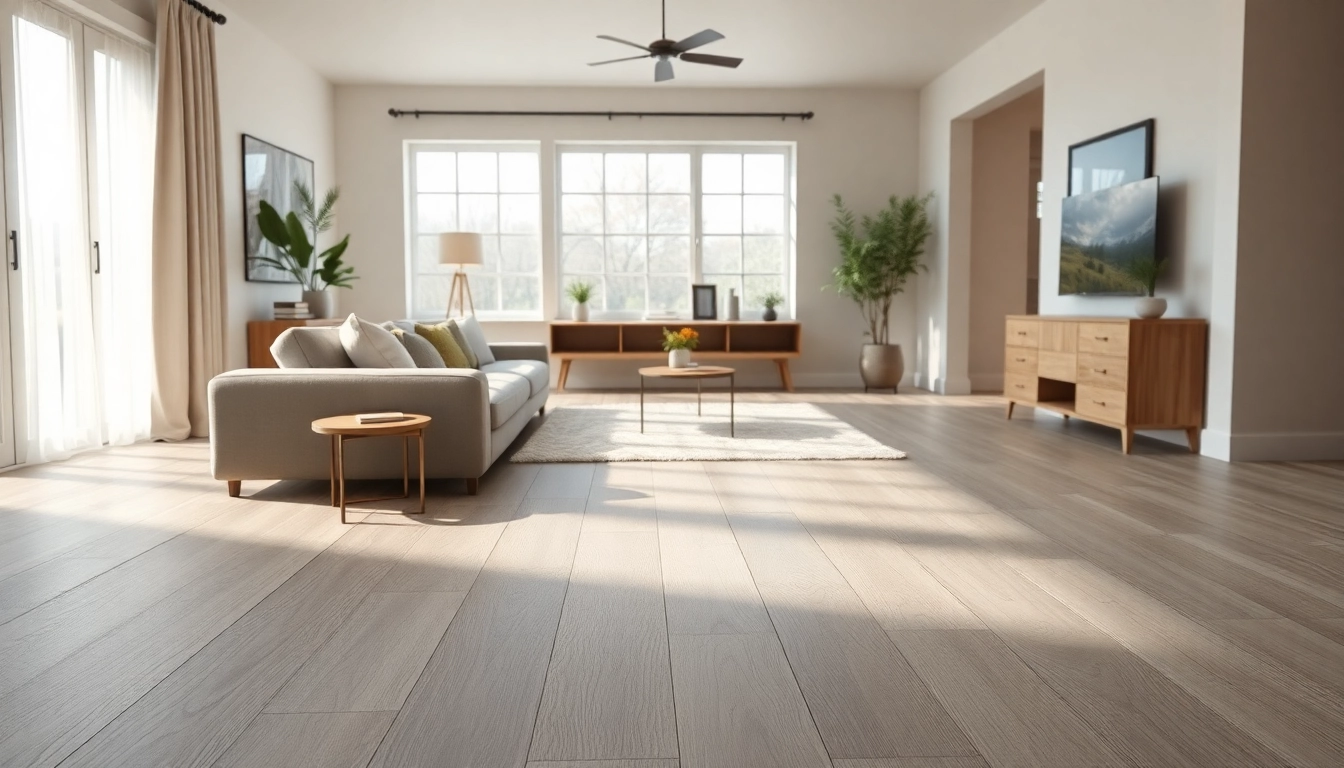
Understanding Vinyl Plank Flooring
What is Vinyl Plank Flooring?
Vinyl plank flooring is a type of resilient flooring that mimics the appearance of natural wood or stone while offering the durability and ease of maintenance that homeowners desire. Made from synthetic materials, it consists of multiple layers designed to provide strength and stability. The top layer is typically a clear vinyl wear layer that protects against scratches, stains, and wear, while the core layers offer improved cushioning and moisture resistance. Many choose vinyl plank flooring for its practicality and aesthetic appeal, making it a popular choice for residential and commercial spaces.
Benefits of Vinyl Plank Flooring
Vinyl plank flooring provides numerous benefits that attract buyers to this flooring solution. First and foremost is its exceptional durability; it stands up well against heavy foot traffic, making it ideal for homes with pets and children. Additionally, its moisture resistance makes it suitable for kitchens, bathrooms, and basements where humidity is a concern.
Another significant advantage is its comfort underfoot. Unlike tiles or hardwood, vinyl offers a softer and warmer feel, enhancing the overall comfort of your home. Furthermore, vinyl plank flooring is available in a wide range of styles and colors, easily adapting to varied interior designs, whether you prefer a rustic look or a sleek contemporary vibe.
Lastly, the installation of vinyl plank flooring is often simpler and faster compared to other flooring types, which can save money on labor costs. With these benefits, it becomes clear why this flooring solution has gained popularity among homeowners and designers alike.
Types of Vinyl Plank Flooring
Vinyl plank flooring comes in various forms, each catering to different needs and preferences:
- Luxury Vinyl Plank (LVP): This is the high-end version of vinyl that offers more realistic wood or stone looks, enhanced durability, and often additional features like added insulation.
- Standard Vinyl Plank: Typically more affordable, this type still provides a range of styles and decent performance but may lack the same level of durability seen in luxury options.
- Rigid Core Vinyl Plank: This type combines a rigid core with a flexible surface layer for ease of installation and improved stability, perfect for heavy traffic areas.
- Click Lock Vinyl Plank: Designed as a DIY-friendly option, this flooring features a locking mechanism that allows planks to fit together without glue or nails, simplifying the installation process.
Key Considerations When Choosing Vinyl Plank Flooring
Durability and Longevity
When selecting vinyl plank flooring, durability is a crucial factor. The quality of the wear layer directly impacts how well the flooring can withstand scratches, dents, and stains. A higher thickness (usually measured in mils) in the wear layer typically equates to longer-lasting flooring. For residential use, a wear layer of 12 mils or more is recommended, while commercial spaces may benefit from 20 mils or higher.
Additionally, look for products with a solid construction, including a waterproof core that can endure moisture without warping or buckling. Quantum flooring features such as overall thickness, construction materials, and finish can further enhance longevity, ensuring that your investment holds up for years.
Design Options and Aesthetics
A significant advantage of vinyl plank flooring lies in its versatility in design. From traditional wood textures to modern stone finishes, the options are virtually limitless. Various colors, patterns, and widths also allow homeowners to create a unique look suited to their style.
When choosing the ideal design, keep in mind the overall aesthetic of your space. Lighter colors can make a room feel more expansive, while darker tones provide a sense of warmth and coziness. Additionally, textured surfaces can add dimension and realism to your flooring choice.
Incorporating different planks in pattern styles—like herringbone or chevron—can elevate the look of the installation, making it feel more custom and elegant.
Cost and Budget Analysis
The cost of vinyl plank flooring varies significantly based on several factors, including the type of vinyl, quality, thickness, and brand. On average, pricing can range from $2 to $7 per square foot. Luxury brands can price higher, considering additional features and aesthetics.
When budgeting for vinyl plank flooring, factor in the complete cost, including underlayment and installation fees. While some homeowners may opt for DIY installation to save costs, hiring a professional can ensure a flawless finish and long-term durability.
Considering the lifespan of vinyl plank flooring, this type can often provide a lower cost per year than more expensive options like hardwood or stone when accounted for over time. Analyzing total ownership costs will help in making the best financial decision.
Installation Process for Vinyl Plank Flooring
Pre-Installation Preparation
Before beginning your installation, proper preparation is essential. Start by measuring your space to determine how much vinyl plank flooring you will need, factoring in waste and pattern alignment. Additionally, ensure the subfloor is clean, dry, and level; any imperfections can affect the final result.
If installing over an existing floor, make sure it is firmly secured. For best results, consider using an underlayment to enhance comfort and sound absorption, particularly in rooms above living spaces. Gather necessary tools such as a utility knife, measuring tape, spacers, and a tapping block for a seamless installation.
Step-by-Step Installation Guide
Follow these steps for a successful installation of your vinyl plank flooring:
- Acclimate the Planks: Let the planks sit in the room for at least 48 hours to adjust to the temperature and humidity.
- Prepare the Subfloor: Ensure the subfloor is cleared, clean, and appropriately leveled for the vinyl to adhere smoothly.
- Install Underlayment: If using an underlayment, roll it out according to the manufacturer’s instructions, overlapping edges as needed.
- Lay the First Row: Start from a corner, using spacers against the wall to maintain an expansion gap. Ensure the first row is straight.
- Continuing the Rows: Click or glue additional planks into place as per your chosen flooring type, ensuring to stagger the seams for visual appeal.
- Finish at Doorways: Use transition strips where the vinyl meets other flooring types to provide a seamless appearance.
- Final Touches: Remove spacers after installation, and install baseboards or trim to cover gaps for a clean finish.
Common Installation Issues
Like any flooring project, various issues may arise during installation. Here are common problems and solutions:
- Uneven Subfloor: If the subfloor is uneven, either sand high spots or fill low ones before installation for a smooth surface.
- Expansion Gaps Not Present: Failing to include expansion gaps can lead to buckling. Ensure gaps are included around walls and cabinets.
- Incorrect Plank Alignment: Always measure and check alignment with preceding rows. Take your time to avoid mismatches.
- Moisture Issues: If moisture is detected, let the space dry completely before installation, or use moisture barriers to prevent damage.
Maintaining Vinyl Plank Flooring
Cleaning Tips for Longevity
Maintaining vinyl plank flooring is relatively straightforward. Regular cleaning is crucial to preserve its appearance and avoid damage. Use a soft broom or a vacuum without a beater bar for daily cleaning, and damp mop with a mixture of warm water and a mild pH-neutral cleaner for deeper cleaning.
Avoid harsh chemicals or abrasive scrubbers that could scratch or dull the surface. Do not use wax or polish, as these products can lead to buildup that affects the flooring’s finish.
Dealing with Scratches and Stains
While vinyl plank flooring is durable, it may still succumb to scratches and stains over time. For minor scratches, use a vinyl floor repair kit available at home improvement stores. For deeper scratches, a heat gun can help soften the vinyl, allowing you to fill or buff them out carefully.
For stains, the best course is to clean them immediately with a soft cloth and a gentle cleaner. Always be cautious with substances known to leave marks, such as oil or ink, by addressing them as soon as possible.
Best Practices for Care
To keep your vinyl plank flooring looking its best, consider these best practices:
- Use Furniture Pads: Place pads under heavy furniture to prevent indentations and scratches.
- Avoid High-Heels: Limit wearing high-heeled shoes on the flooring to prevent unnecessary damage.
- Protect from Sunlight: Use curtains or shades to limit UV rays that could fade the color over time.
- Routine Inspections: Regularly check for damaged planks and address issues as they arise to maintain the integrity of your flooring.
FAQs About Vinyl Plank Flooring
How durable is vinyl plank flooring?
Vinyl plank flooring is highly durable, with many options featuring wear layers that resist scratches, dents, and stains, ideal for high-traffic areas.
Can vinyl plank flooring be installed over existing floors?
Yes, vinyl plank flooring can be installed over existing floors, provided the surface is flat, clean, and stable. Ensure any irregularities are addressed first.
What are the best cleaning products for vinyl plank flooring?
The best cleaning products are pH-neutral cleaners specifically formulated for vinyl or a mixture of mild soap and warm water to avoid damage.
Is vinyl plank flooring waterproof?
Most modern vinyl plank flooring options are waterproof or water-resistant, making them suitable for kitchens, bathrooms, and basements.
How to choose the right style of vinyl plank flooring?
Choose a style based on your interior design, desired appearance (like wood or stone), and room function (consider moisture resistance for bathrooms).