
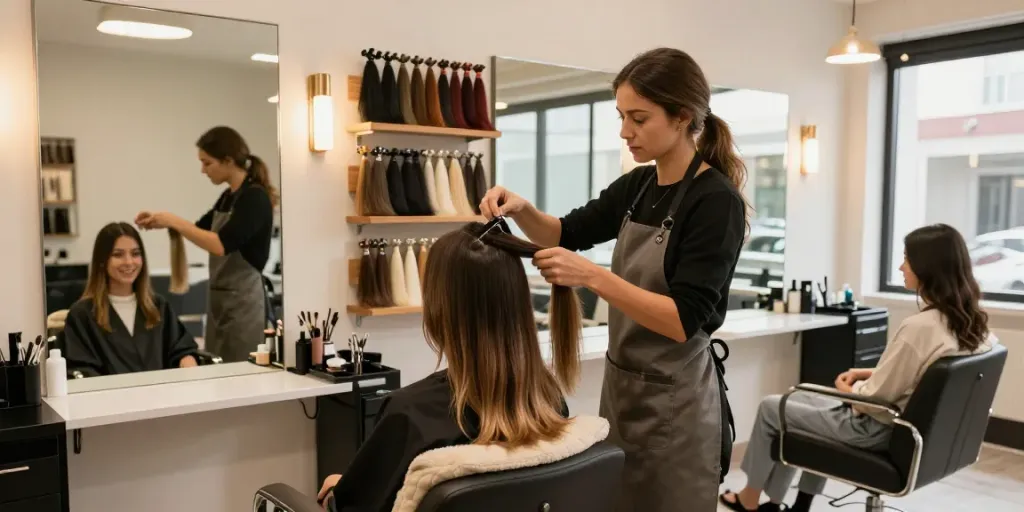
The Growing Demand for Professional Hair Extensions
In recent years, the beauty industry has witnessed a remarkable surge in the popularity of professional hair extensions. Consumers are increasingly seeking ways to enhance their natural beauty, and hair extensions offer a versatile solution to achieve longer, fuller, and more vibrant hair. With advancements in technology and a growing selection of styles, extensions are no longer seen as a luxury but rather a staple in hair care and styling.
Understanding Consumer Preferences and Trends
The shift in consumer preference towards hair extensions can be attributed to several factors. Social media platforms, particularly Instagram and TikTok, have played a significant role in popularizing new hair trends, showcasing influencers and celebrities sporting various types of hair extensions. This visual representation has sparked interest among everyday consumers, encouraging them to experiment with their hairstyles.
- Customization: Today's consumers seek personalized solutions. Whether it’s color, length, or texture, the ability to customize hair extensions to match one’s hair perfectly is a key factor driving demand.
- Quality Assurance: With the rise of online shopping, consumers are becoming more discerning about the quality of the extensions they purchase. They prefer 100% Remy human hair that offers a natural look and feel.
- Affordability: As more brands enter the market, competitive pricing has made high-quality extensions accessible to a broader audience.
Market Insights: Statistics and Projections for 2026
The global hair extensions market was valued at approximately $3.4 billion in 2021 and is projected to grow at a compound annual growth rate (CAGR) of 8% between 2022 and 2026. This growth can be attributed to increasing disposable income, coupled with a rising awareness of personal grooming and fashion trends. Furthermore, advancements in application techniques and the introduction of innovative products are expected to propel market growth.
Key Demographics Embracing Hair Extensions
While hair extensions appeal to a diverse range of consumers, certain demographics stand out. Women aged 18-34 are the primary users, driven by trends and the influence of social media. Additionally, professional stylists and salons are significant consumers of hair extensions, purchasing in bulk to meet client demands.
Types of Professional Hair Extensions Available Today
Overview of Popular Hair Extension Methods
Understanding the various types of hair extensions is essential for both consumers and stylists. The most popular methods include:
- Clip-in Extensions: Ideal for temporary use, they can easily be attached and removed, making them perfect for special occasions.
- Tape-in Extensions: These are semi-permanent extensions that blend seamlessly with natural hair and can be reused for up to 8 weeks.
- Fusion Extensions: This method involves keratin bonds, which are melted to attach the extensions, providing a long-lasting solution.
- Weft Extensions: Sewn in or glued, weft extensions can create volume and length and are suitable for various hairstyles.
Choosing the Right Type for Different Styles
Picking the right type of hair extensions depends on individual needs and lifestyle. For those looking for versatility, clip-in extensions offer a perfect blend of convenience and style. On the other hand, for clients seeking long-term options, tape-in or sew-in methods provide a more durable choice. It’s crucial for stylists to assess clients’ preferences and hair types to recommend the best fit.
Innovations in Hair Extension Technology
As technology evolves, so does the quality and application of hair extensions. Innovations such as the introduction of heat-resistant fibers and invisible tape-ins have revolutionized the market. These advancements not only enhance the aesthetic appeal but also improve the longevity and comfort of the extensions.
Best Practices for Selling Professional Hair Extensions
Crafting an Effective Marketing Strategy
To penetrate the competitive market successfully, businesses must develop a robust marketing strategy. Identifying target demographics and tailoring marketing messages accordingly can significantly improve engagement. Highlighting unique selling points, such as the quality of hair and versatility, can also attract customers.
Utilizing Social Media to Drive Sales
Social media marketing is essential in the hair extension industry. Creative content showcasing before-and-after transformations, tutorials, and customer testimonials can drive interest. Collaborating with influencers who resonate with target audiences can amplify brand visibility and credibility.
Building Strong Customer Relationships
Engaging with customers post-purchase builds trust and loyalty. Providing exceptional customer service, offering tutorials, and following up for feedback can create lasting relationships. Additionally, loyalty programs and referral discounts can incentivize repeat purchases.
Common Challenges in the Hair Extension Business
Navigating Supply Chain Issues
As with any industry reliant on imported goods, supply chain disruptions can pose significant challenges for suppliers of professional hair extensions. It’s crucial for businesses to maintain strong relationships with manufacturers and explore multiple sourcing options to mitigate risks.
Ensuring Quality Control and Customer Satisfaction
Quality control is paramount in the hair extension business. Consumers expect high standards, and any deviation can lead to dissatisfaction. Regular quality checks and sourcing from reputable suppliers can help maintain product standards.
Addressing Misconceptions About Hair Extensions
There are many misconceptions surrounding hair extensions, such as the belief that they damage natural hair. Education is vital to dispelling these myths; providing information on proper care and maintenance can reassure consumers and encourage them to try extensions.
Future Trends in Hair Extensions: What to Expect by 2026
Emerging Styles and Techniques on the Horizon
As we approach 2026, several trends are likely to emerge in the hair extension industry. Customization options like color-matching services and eco-friendly materials are gaining traction. Furthermore, expect to see more innovative application techniques that minimize damage and enhance wearability.
Impact of Sustainability on Hair Extension Choices
Consumers are becoming increasingly aware of sustainability, which is influencing their purchasing decisions. Brands that offer ethically sourced hair or environmentally friendly packaging will likely resonate more with conscious consumers.
Integrating Technology into the Hair Extension Experience
Technology integration will continue to shape the hair extension landscape. Virtual try-on technology can provide customers with a preview of how different extensions will look, enhancing their shopping experience. Additionally, mobile apps could facilitate easier consultations and bookings for salons.
What is the average cost of professional hair extensions?
The cost of professional hair extensions varies significantly based on type and quality. Clip-in extensions can range from $100 to $300, while semi-permanent options like tape-ins or sew-ins typically cost between $300 and $800, including application fees.
What are the best professional hair extensions?
The best hair extensions are those made of 100% Remy human hair, as they offer the most natural look and feel. Brands like Bellami, Donna Bella, and Hotheads are often recommended for quality and durability.
What is the newest method of hair extensions?
Recent innovations include the use of keratin bonding for fusion extensions and the development of invisible tape-ins, which provide a more seamless blend with natural hair.
How long do professional hair extensions last?
With proper care, professional hair extensions can last anywhere from six months to a year or longer, depending on the type and method used for application.
What extensions do the Kardashians use?
The Kardashian family is known for utilizing a variety of hair extensions, often favoring clip-ins for temporary styles and weft extensions for longer-term looks, showcasing the versatility of these products.